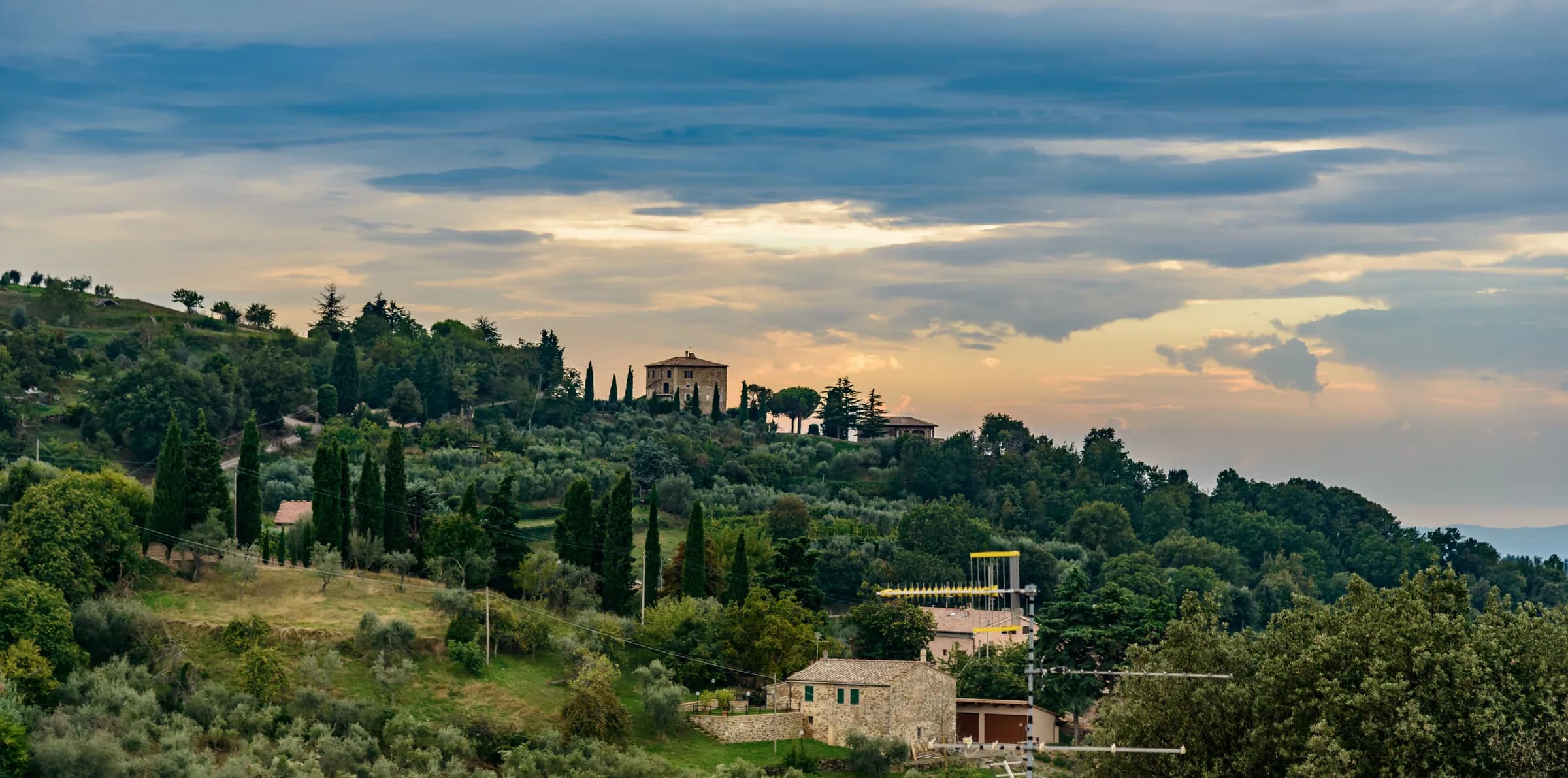
The brief
Two and a half thousand years of city, best taken slowly.
Rome’s high season is long, April through September, and the Vatican crowds set the tempo. Winter Rome is a different, better city: empty piazzas, open trattorie, and low-season fares.
Quick facts
When to go
Crowds, month by month
- Jan: quiet
- Feb: quiet
- Mar: moderate
- Apr: busy
- May: busy
- Jun: busy
- Jul: busy
- Aug: busy
- Sep: busy
- Oct: moderate
- Nov: quiet
- Dec: moderate
Rome is quietest in Jan, Feb, Nov. Off-peak demand usually means softer fares and cheaper rooms. Taller bars mean bigger crowds.
On the calendar
What moves prices here
- Holy Week & Easter at the Vatican · the week around Easter (date moves each year)Vatican-area crowds peak for the year; hotels near the centre sell out far ahead
- Ferragosto · 15 AugustItalian national holiday; many local restaurants and shops close mid-August
Three things the search box won’t tell you
Book Vatican and Colosseum slots ahead in any month; walk-up queues are the tax on spontaneity.
Many family restaurants close around Ferragosto (15 August).
January, February and November are the low-crowd months.
Live, from prices
Checked at source
Flights
London (LHR), return
from £131
Stays
3 nights, 2 guests
from £218
Indicative prices, confirmed on partner site. Live from-prices for Rome across 100+ airlines and 3M+ stays; you book on our partners’ sites at the live price.
Entry requirements
UK passport holders can visit Italy (Schengen area) visa-free for up to 90 days in any 180-day period; passports must meet Schengen validity rules.
Official guidance: gov.ukFlight deals from London
London to Rome: the cheap months, explainedPlan it in one conversation
Tell the agent your dates. It builds the whole Rome trip.
Flights, stay, days, and one secret worth the fare, checked live before you book anything.